Posted: June 8th, 2026
The rapid growth of construction in the UAE has made choosing the right plumbing system more important than ever. Whether it is a residential villa, commercial tower, or industrial facility, selecting the right Plumbing materials in Dubai directly impacts durability, safety, maintenance costs, and long-term performance. With extreme heat, hard water conditions, and high-pressure water systems common in the region, poor-quality materials can lead to leaks, corrosion, and frequent replacements. This is why understanding how to choose durable plumbing materials is essential for any project in Dubai.
Understanding the Importance of Quality Plumbing Materials
Plumbing systems are hidden behind walls and under floors, but they form one of the most critical infrastructures in any building. In Dubai’s environment, pipes and fittings are constantly exposed to thermal expansion, pressure fluctuations, and mineral-heavy water.
High-quality plumbing materials ensure:
- Long service life without frequent breakdowns
- Strong resistance to corrosion and scaling
- Safe and hygienic water distribution
- Reduced maintenance and repair costs
- Better performance under high pressure and temperature conditions
Common plumbing systems used in Dubai include PVC, UPVC, PPR, and HDPE pipes. Each material serves a specific purpose depending on whether it is used for drainage, cold water supply, hot water systems, or underground installations.
Types of Plumbing Materials Used in Dubai
1. PVC and UPVC Pipes
PVC and UPVC pipes are widely used in drainage systems and cold-water applications. UPVC, in particular, is known for its rigidity, durability, and resistance to corrosion, making it suitable for pressure-based water systems in buildings.
UPVC materials do not rust and are highly resistant to chemical reactions, which makes them a reliable choice in Dubai’s humid climate and mineral-rich water conditions. This helps in maintaining system integrity over long periods.
However, standard PVC is not suitable for hot water applications because it tends to soften under high temperatures. Therefore, it is mostly used in waste disposal and drainage systems.
2. PPR Pipes (Preferred for Water Supply Systems)
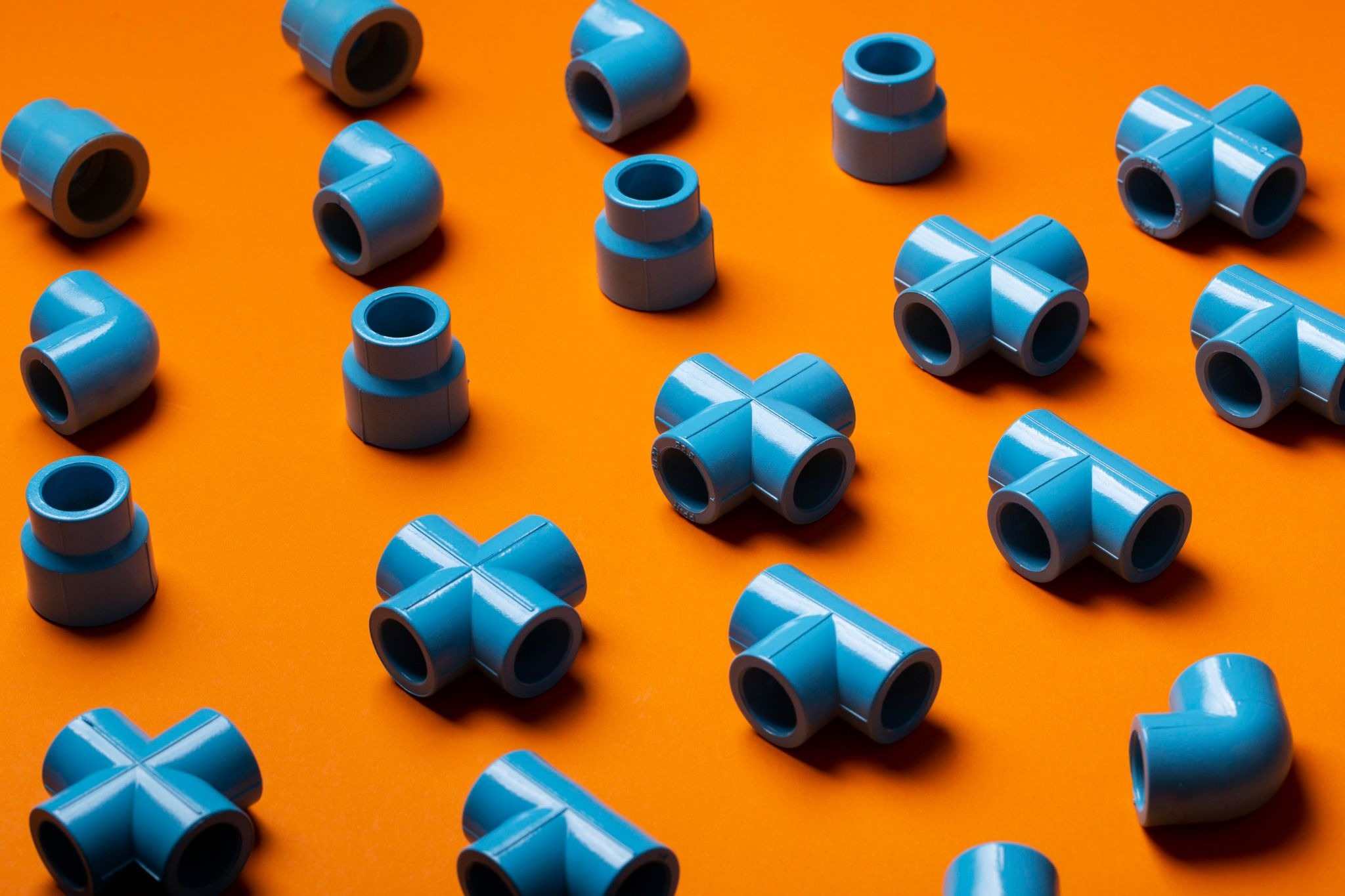
PPR pipes are among the most popular choices for modern construction in Dubai. These pipes are specifically designed for both hot and cold water distribution systems and are widely used in residential, commercial, and hospitality projects.
Key benefits include:
- High resistance to heat, making them ideal for hot water lines
- Long lifespan, often exceeding several decades when installed properly
- Leak-free joints created through heat fusion welding
- Excellent resistance to scaling caused by hard water
- Smooth internal surface for efficient water flow
Due to these advantages, PPR systems have become a standard choice for modern plumbing networks across the UAE.
3. HDPE Pipes
HDPE pipes are known for their flexibility, toughness, and resistance to environmental stress. They are commonly used in underground water supply networks, irrigation systems, and industrial applications.
One of their biggest advantages is their ability to withstand ground movement and pressure variations without cracking. This makes them highly suitable for infrastructure projects, roadworks, and large-scale developments where durability is essential.
HDPE pipes also have a long service life and require minimal maintenance, making them a cost-effective solution for long-term installations.
4. Copper Pipes (Traditional Option)
Copper pipes were once widely used for plumbing systems, especially for hot water distribution. They are durable, resistant to bacteria, and capable of handling high temperatures.
However, in modern Dubai construction, copper is used less frequently due to its high cost, susceptibility to theft, and complex installation process. While still reliable, it is often replaced by more cost-effective and easier-to-install materials like PPR and HDPE.
Key Factors to Consider When Choosing Plumbing Materials in Dubai
1. Climate Resistance
Dubai’s extreme heat can weaken low-quality materials over time. It is important to choose pipes that can withstand high temperatures without warping, cracking, or losing strength.
2. Water Quality Compatibility
The region’s hard water contains minerals that can cause scaling inside pipes. Materials such as PPR and UPVC perform better in resisting scale buildup and maintaining smooth water flow.
3. Pressure Rating
High-rise buildings in Dubai require plumbing systems that can handle high water pressure. Always check pressure ratings such as PN10, PN16, or PN20 to ensure the system is suitable for the building’s requirements.
4. Certification and Quality Standards
It is essential to choose materials that meet recognized international standards. Certified plumbing materials ensure safety, durability, and compliance with UAE construction regulations.
5. Installation Method
Different materials require different installation techniques:
- PVC and UPVC use solvent cement joints
- PPR uses heat fusion welding
- HDPE uses butt fusion or electrofusion methods
Proper installation is just as important as choosing the right material, as poor installation can lead to leaks and system failure.
Common Mistakes to Avoid
Many plumbing issues in Dubai arise due to poor material selection or improper installation. Some common mistakes include:
- Using PVC pipes for hot water systems
- Choosing unbranded or low-quality materials
- Ignoring pressure requirements in multi-storey buildings
- Mixing incompatible piping systems and fittings
Avoiding these mistakes ensures better performance and reduces the risk of costly repairs in the future.
Why Proper Material Selection Reduces Long-Term Costs
Although high-quality plumbing materials may require a higher initial investment, they significantly reduce long-term expenses. Durable systems help in:
- Preventing frequent leak repairs
- Reducing replacement costs
- Minimizing water wastage
- Avoiding structural damage caused by hidden leaks
- Improving overall building efficiency
In a demanding construction environment like Dubai, investing in quality always leads to better long-term returns.
Conclusion
Selecting the right plumbing system is a key factor in ensuring the durability and efficiency of any building project in the UAE. From UPVC and PPR to HDPE systems, each material serves a specific purpose in delivering reliable water supply and drainage performance. By focusing on quality, certification, and suitability for local conditions, builders can achieve long-lasting and efficient plumbing networks. For dependable supply and industry expertise in Plumbing materials in Dubai, Laspinas Building Materials continues to be a trusted choice for contractors and developers.
Get in touch today to source high-quality plumbing materials in Dubai and ensure long-lasting performance for your next project.